Most advice about how to sell your property fast assumes you own a charming three-bedroom in a desirable neighborhood. Real helpful if that’s you. Not so helpful when you’re holding a tenant-occupied duplex nobody wants to tour, a patch of land two hours from anywhere, or a commercial space that’s racked up code violation notices like parking tickets.
This article is for the second group.
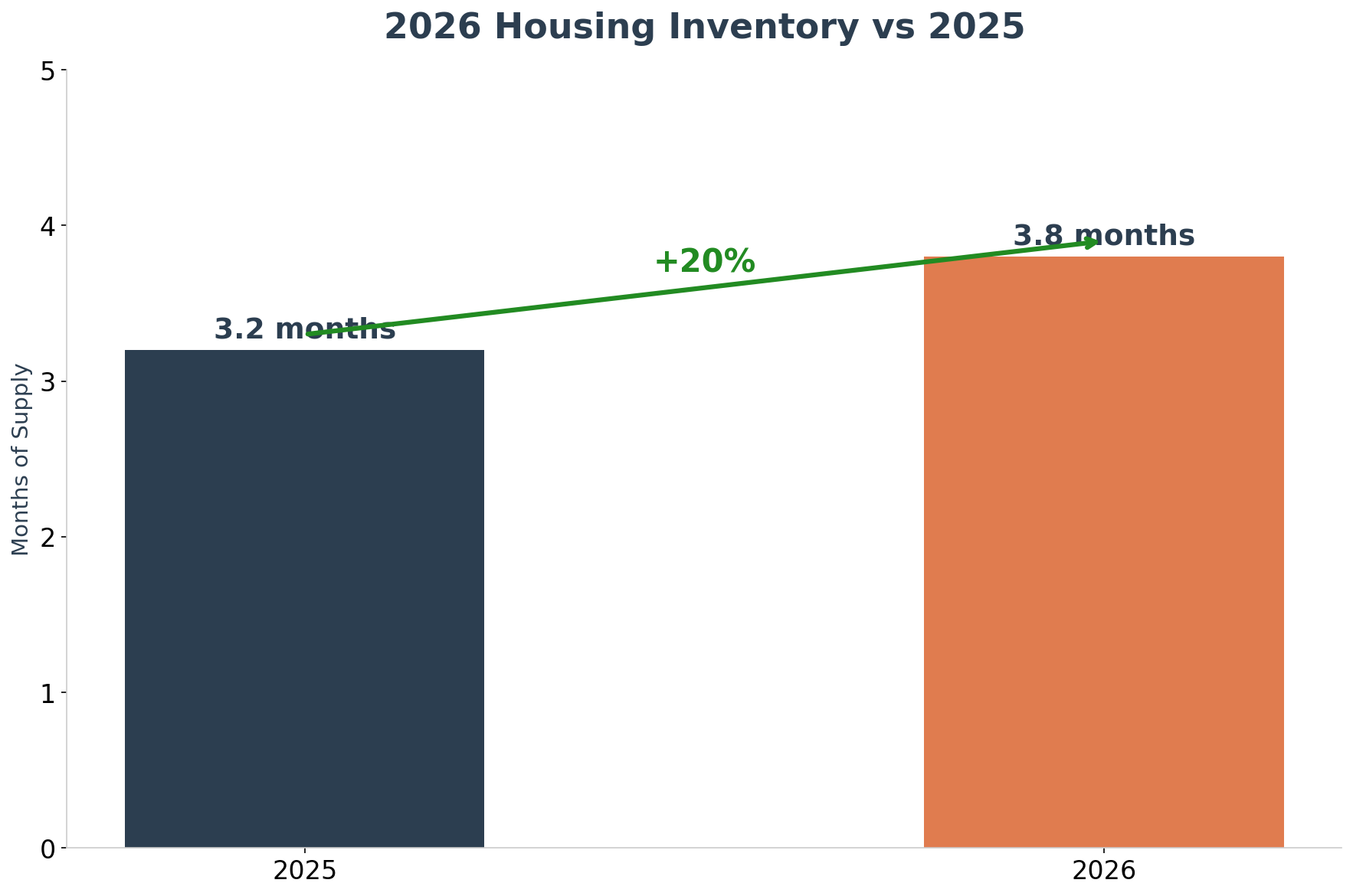
The property market in 2026 looks different than it did even 12 months ago. Active listings are up roughly 20% year-over-year according to Realtor.com’s March 2026 housing report, and buyers have way more options than they’ve had since before the pandemic hit. So if your property is anything other than turnkey in a prime location, you’re competing harder than you used to.
At House Buyers Cash, we’ve purchased hundreds of properties over the years. Houses, duplexes, apartment buildings, vacant land, commercial spaces, stuff in probate, stuff with liens piled on. Every single seller had one thing in common – they needed speed. And almost every one of them had already wasted months trying the traditional route.
This is what actually works when you need a fast property sale – and what doesn’t.
Why Properties Sit on the Market (It’s Usually One of Four Things)
Before you can sell property fast, you’ve got to understand why it hasn’t sold yet. Or why it might not sell quickly if you list it tomorrow.
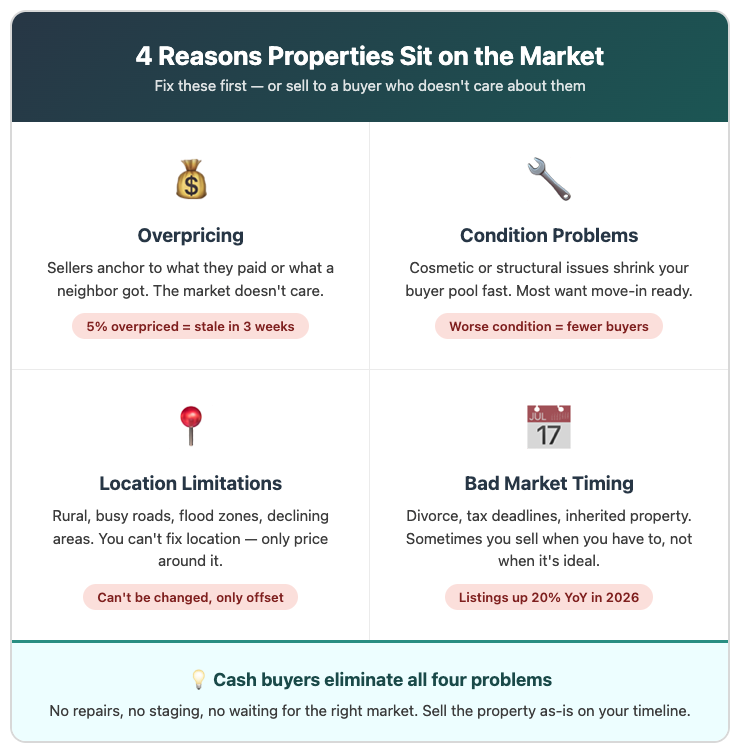
Pricing that doesn’t match reality. This is the big one. Sellers anchor to what they paid, what they put into it, or what their neighbor got two years ago. The market doesn’t care about any of that. With inventory climbing the way it has in 2026, overpricing by even 5% can mean your listing goes stale within the first three weeks. And once a listing goes stale? Buyers assume something’s wrong with it.
Condition problems. Could be cosmetic, could be structural. A house that needs a new roof is one thing. A commercial property with an environmental issue is something else entirely. Either way, most buyers on the open market want move-in ready or close to it. The worse the condition, the smaller your buyer pool.
Location limitations. Rural land, properties on busy roads, flood zones, areas with declining populations. You can’t fix location. You can price around it, but that only goes so far.
Bad market timing. Look, sometimes you just need to sell when you need to sell. Divorce doesn’t wait for spring. Tax deadlines don’t care that interest rates ticked up. And if you’re dealing with an inherited property, well, the timeline is the timeline.
To be fair, sometimes it’s a combination. A rural property in rough shape that’s overpriced? That thing’s going to sit for months. Maybe longer.
What “Sell Property Quickly” Actually Means in Different Markets
People say “market conditions” like it explains everything. It doesn’t. But the type of market you’re in does change your strategy.
Seller’s Market
Fewer listings, more buyers. Properties move faster. You’ve got leverage, and even properties with issues can attract offers. This was 2021 and 2022 for most of the country.
But here’s the thing – even in a seller’s market, problem properties still lag. That vacant lot with no utilities? Still tough. The apartment building with a bad tenant situation? That makes buyers skittish. Sure, everything moves a bit quicker in a seller’s market. But the difference between a move-in-ready house and a problematic property? Still enormous.
Buyer’s Market
More listings, fewer buyers. This is closer to where many markets are heading in 2026. The National Association of Realtors reported that existing home sales remain below pre-pandemic norms even with inventory growing. Buyers get picky. They negotiate harder. They walk away from inspections.
If you need to sell property fast in a buyer’s market, traditional listing becomes a gamble. Your property competes against every other listing, and buyers will choose the one that gives them the least headaches. I should clarify – it’s not impossible to sell traditionally in a buyer’s market. It just takes longer and usually costs more in concessions.
Balanced Market
Supply and buyer activity are roughly balanced. Properties sell at a reasonable pace if they’re priced right. The key word is “if.” In a balanced market, pricing mistakes get punished faster than you’d think because buyers have just enough options to be selective.
The Properties That Are Hardest to Sell Traditionally
Certain properties just weren’t built for the standard listing-and-showing process. If yours has any of these problems, the playbook changes.
Tenant-occupied properties. Try scheduling a showing when your tenant works nights and sleeps until 2 PM. Or when they’ve decided they don’t feel like tidying up because – and they’re not wrong about this – nobody asked them if they wanted to move. We’ve seen tenants leave dirty dishes out on purpose, refuse to answer the door, even tell prospective buyers about made-up pest problems. And most conventional buyers won’t touch a property with an existing lease anyway, especially a month-to-month situation or someone behind on rent.
Properties with code violations. Open permits, code enforcement letters, zoning issues. These scare off traditional buyers and their lenders. Banks won’t finance a property with unresolved code violations in most cases. So your buyer pool shrinks to cash buyers only – which, well, actually narrows your marketing strategy quite a bit.
Title issues. Liens, disputed ownership, missing heirs on a probate property. Title problems don’t just slow down a sale. They can kill it entirely. We’ve worked with sellers who had their property under contract three separate times, and each time the deal fell apart during title review.
Rural or unusual properties. Land with no road access, a warehouse out in a tiny farming community, a decommissioned church – these need a very specific buyer. And finding that buyer on Zillow or the MLS could take six months. Could take a year. Who knows.
Properties that need major repairs. Foundation cracks, mold remediation, fire damage, outdated septic systems. The cost to fix these before listing often doesn’t make financial sense – you spend $40,000 on repairs and maybe recoup $30,000 in added sale price. If you’re looking to sell a house as-is, that math matters a lot.
How to Evaluate Your Property’s Fast Sellability
Not every property sells the same way. Before you pick a strategy, figure out where yours actually stands.
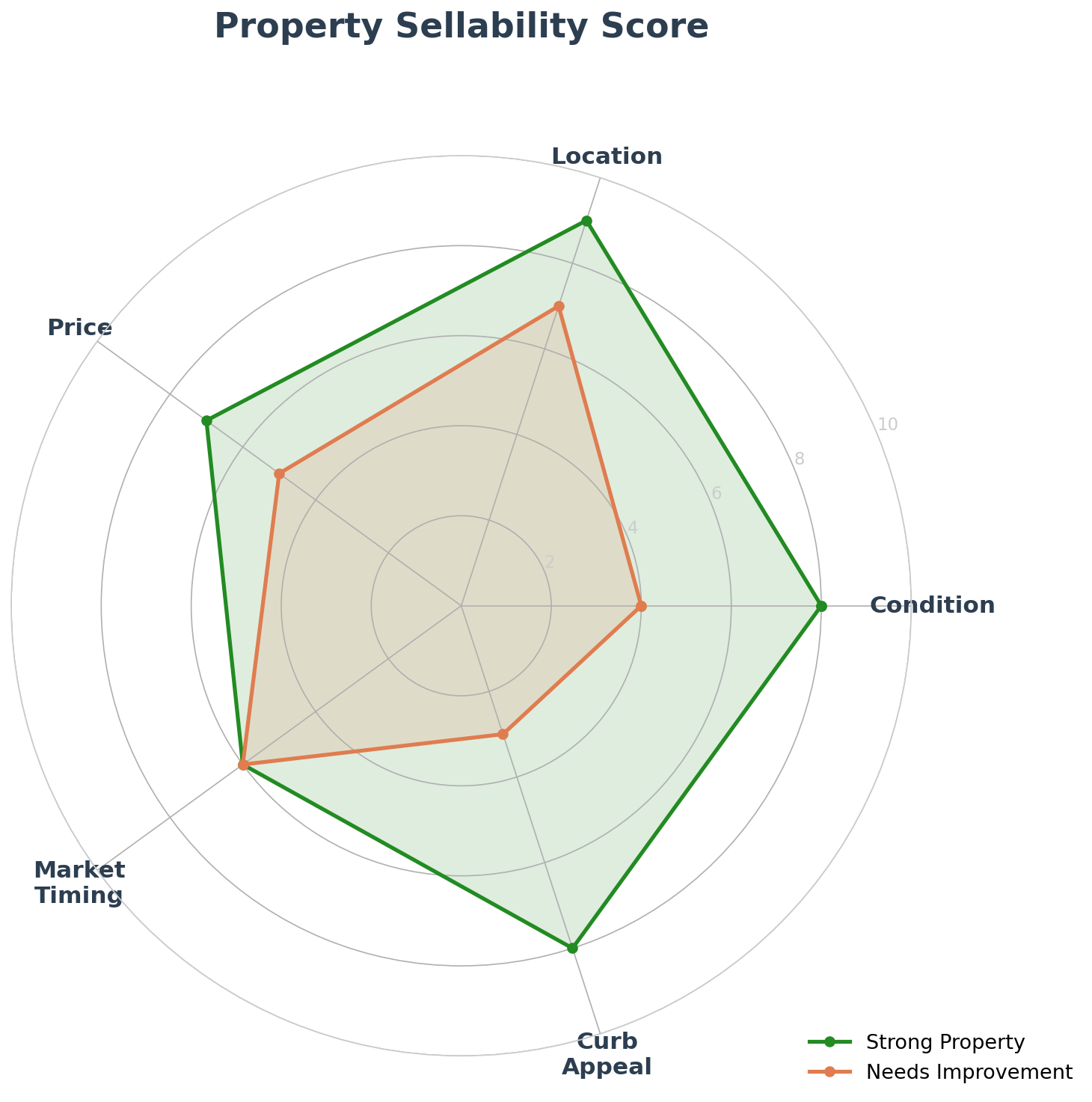
Run comps honestly. Look at what similar properties in your area sold for in the last 90 days. Not what they listed for. What they closed at. If you can’t find good comps – and for unusual properties, you often can’t – that’s a data point in itself.
Check days on market for similar listings. Are properties like yours averaging 60+ days before going under contract? Then your timeline expectations probably need a reality check. Zillow’s research data from early 2026 confirms that median time-on-market has been trending upward in most metro areas, and secondary markets are even slower.
Write down every single problem a buyer or inspector would find. Don’t sugarcoat this. Foundation cracking? Unpermitted additions from the ’90s? Deferred maintenance on the HVAC? Each one of those items either removes potential buyers from your pool or tacks weeks onto your timeline.
Calculate your actual net – not the fantasy number. Here’s the math most sellers skip: take the probable sale price, subtract 5-6% for agent commissions, subtract 1-3% for buyer concessions (which are standard in 2026), subtract whatever repairs you’d need to do before listing. That bottom-line figure is what you’re actually walking away with.
Can you afford the carrying costs while you wait? Mortgage payments, property taxes, insurance, utilities, lawn care – all of that adds up every single month your property sits unsold. We’ve worked with sellers who burned through $15,000 or more in carrying costs just waiting for a traditional buyer to show up. That’s not an exaggeration.
Seven Strategies to Sell Your House Fast
Alright. This is what actually works, depending on your situation.
1. Price Below Market From Day One
Aggressive pricing is the single fastest way to generate interest on the open market. List 5-10% below comparable sales and you’ll get multiple showings in the first week. The risk? You might leave money on the table. But if speed is the priority, this works.
2. Offer Seller Concessions Upfront
Covering closing costs, offering a home warranty, including appliances – these sweeten the deal for buyers without reducing your list price. In a market where buyers are negotiating harder, preemptive concessions can speed things up by weeks.
3. Target Investors Directly
For multi-family, commercial, or tenant-occupied properties, investors are your real buyer pool anyway. Market on investor-specific platforms. Run the numbers on cap rate and cash-on-cash return so you’re speaking their language.
4. Sell at Auction
Auctions create urgency and a hard deadline. They work well for unique properties that are tough to comp. The downside is you lose control of the final price, and auction fees can eat into your proceeds.
5. Lease-Option or Seller Financing
Offering creative terms opens your property to buyers who can’t get traditional financing. This is especially useful for commercial properties or land. It takes longer to collect your full purchase price, though. That’s a tradeoff not everyone can stomach.
6. Accept a Cash Offer
This is the fastest path to closing for most sellers. Cash buyers skip the appraisal, skip the lender requirements, and can close in as few as seven days. We buy houses for cash at House Buyers Cash and typically close in under two weeks. No repairs. No showings. No commissions.
And the benefits of selling for cash go beyond speed. You eliminate the risk of financing falling through, which happens in about one in five traditional sales according to industry data.
7. Wholesale to Another Buyer
If you’re an investor with a property under contract, wholesaling assigns that contract to another buyer for a fee. This is a niche strategy, but it moves properties fast when the numbers work.
The Cash Buyer Advantage for Hard-to-Sell Properties
Let me be direct about this. If your property has significant issues – title problems, code violations, tenants who won’t leave, structural damage – the traditional market isn’t built for you. Agents will list it, sure. But months later you’ll still be paying carrying costs and fielding lowball offers from people who disappear after the inspection.
Cash buyers exist specifically for these situations. And no, we’re not talking about “we buy ugly houses” scam operations. Legitimate cash buyers like us at House Buyers Cash handle the title mess, the code violations, the tenant issues. We take it as-is.
I’ll own that bias – we’re a cash home buying company, so obviously we think this is a good option. But the numbers support it. The average traditional sale takes 45-60 days from listing to close. That’s if everything goes smoothly. A cash sale takes 7-14 days. When you’re bleeding money on carrying costs or facing a foreclosure deadline, that difference matters.
For anyone wondering if this sounds too good to be legit, we get it. There are bad actors in this space. Check out our page on whether cash home buyers are legitimate for what to watch for.
Your Property Has Been Listed for 60+ Days. Now What?
Sixty days on the market without an offer is painful. And this is what makes it worse – every week that passes makes it harder, not easier. Buyers look at those days-on-market numbers the way you’d look at a restaurant with no cars in the parking lot. Something must be off, right?
Pull the listing for two weeks. I know that sounds counterintuitive when you’re desperate to sell. But when you relist after a pause, the days-on-market counter resets in most MLS systems. You get a fresh start. New “just listed” alerts go out. Buyers who filtered you out before see you again.
Cut the price and mean it. Not 1%. Not 2%. If two months of market feedback told you the price was wrong, a token reduction won’t fix it. Drop 7-10% and actually reposition the property. That signals opportunity instead of desperation – there’s a real psychological difference.
Fire your agent if they’ve been coasting. This sounds harsh but it’s practical advice. Bad listing photos, vague descriptions, zero proactive outreach to buyer agents? That’s not a property problem, that’s a marketing problem. Some agents list and forget. You need one who’s calling other agents, posting on social, and actually pushing traffic to your listing.
Order a pre-inspection and share the report. Buyers are terrified of hidden problems. When you hand them a professional inspection report that says “here are the three issues and this is what each one costs to fix,” you’ve just removed the thing that kills most deals. That level of honesty actually speeds things up.
Get a cash offer as your safety net. You can sell your home fast to a cash buyer while still keeping your listing active. Knowing your floor price changes everything about how you negotiate. And if the right traditional offer doesn’t come, you’ve already got a backup that closes in days, not months.
Bottom line – if the same strategy hasn’t worked for 60 days, try something different. That’s not giving up. That’s being realistic.
Frequently Asked Questions
What’s the fastest way to sell my property fast in 2026?
Honestly? A cash offer. Nothing else comes close on speed. You skip the lender, skip the appraiser, skip most of the contingencies that drag out a traditional sale. We close most deals in 7 to 14 days at House Buyers Cash. If you want to try the open market first, listing 5-10% below comparable sales will get you the most attention, but even then you’re looking at a month and a half minimum before you actually close.
Can I sell property fast if it has code violations or liens?
You can, but the pool of people willing to buy from you gets really small. Banks won’t finance a property with unresolved code violations in most situations, so regular buyers are out. Cash buyers are basically your only option for these properties – that’s just how lending works. We buy properties with violations, liens, judgment issues, you name it. It’s what we do.
How do I sell property quickly in a buyer’s market?
Three things work: aggressive pricing, upfront concessions, and cash buyers. In a buyer’s market – and a lot of the U.S. qualifies as one in 2026 with inventory climbing – properties that are even slightly overpriced just sit there. The sellers who move their properties quickest tend to price below recent comparable sales, offer to cover some of the buyer’s closing costs, or go the cash-offer route and skip the whole circus.
Is selling to a cash buyer worth it if I get a lower price?
Run the full numbers before you answer that question. Take the traditional sale price you think you’d get, then subtract 5-6% in commissions, another 1-3% in buyer concessions, whatever you’d spend on repairs to make it list-ready, and all the carrying costs (mortgage, taxes, insurance) you’d pay while waiting to close. A lot of sellers do that math and realize the cash offer actually puts more money in their pocket. Wild, right? But it happens more often than you’d think.
What should I do if my property has been on the market for months?
Take it off the market for a couple weeks so you reset the days-on-market counter. While it’s down, get fresh comps and reprice honestly. Swap agents if yours has been phoning it in. Getting a pre-inspection report done gives nervous buyers fewer reasons to walk. And reach out for a cash offer while you’re at it – worst case, you have a guaranteed backup number to work with.
Do cash buyers purchase commercial properties and land, or just houses?
A lot of them only do single-family homes, that’s true. But we buy a wider range at House Buyers Cash – multi-family buildings, commercial properties, vacant land, investment properties. The important thing is finding a buyer who has actually done deals with your type of property before. Ask them about it directly. If they hesitate, keep looking.